
CRE Investment
Sectors
Each commercial real estate sector has unique characteristics, risk profiles, and return expectations. Understanding these differences is essential for building a diversified portfolio aligned with your investment goals.
Choosing Your Investment Focus
Commercial real estate spans multiple property types, each with distinct market dynamics and investment characteristics. While some investors specialize in a single sector, others build portfolios across multiple property types to diversify risk and capture different market opportunities.
The right sector depends on your capital availability, risk tolerance, management capacity, and return objectives. Each sector responds differently to economic cycles, making diversification valuable for long-term portfolios.
Multifamily Apartments
Multifamily properties are residential buildings with five or more units. This sector includes garden-style apartments, mid-rise buildings, high-rise complexes, and townhome communities. It's often considered the entry point for commercial real estate investors due to its relative simplicity and stable demand.
Key Characteristics
- Stable, recession-resistant demand for housing
- Economies of scale in property management
- Multiple income streams reduce vacancy risk
- Lower capital requirements than other CRE sectors
- Easier to finance with conventional mortgages
Considerations
- Intensive management and maintenance requirements
- Higher turnover from tenant changes
- Local housing regulations can impact returns
- Competition from single-family home conversions
Typical Returns (Unleveraged)

Industrial & Warehouse
Industrial properties encompass manufacturing facilities, warehouses, distribution centers, flex industrial spaces, and data centers. E-commerce growth has driven exceptional demand for logistics and fulfillment centers, making this sector a top performer over the past decade.
Key Characteristics
- E-commerce growth driving logistics demand
- Long-term leases with creditworthy tenants
- Low operating expenses for NNN landlords
- Potential for single-tenant diversification
- Growing demand for last-mile distribution
Considerations
- Higher capital requirements for large facilities
- Tenant concentration risk in single-asset funds
- Evolving logistics technology impacts requirements
- Environmental concerns at older facilities
Typical Returns (Unleveraged)

Office Buildings
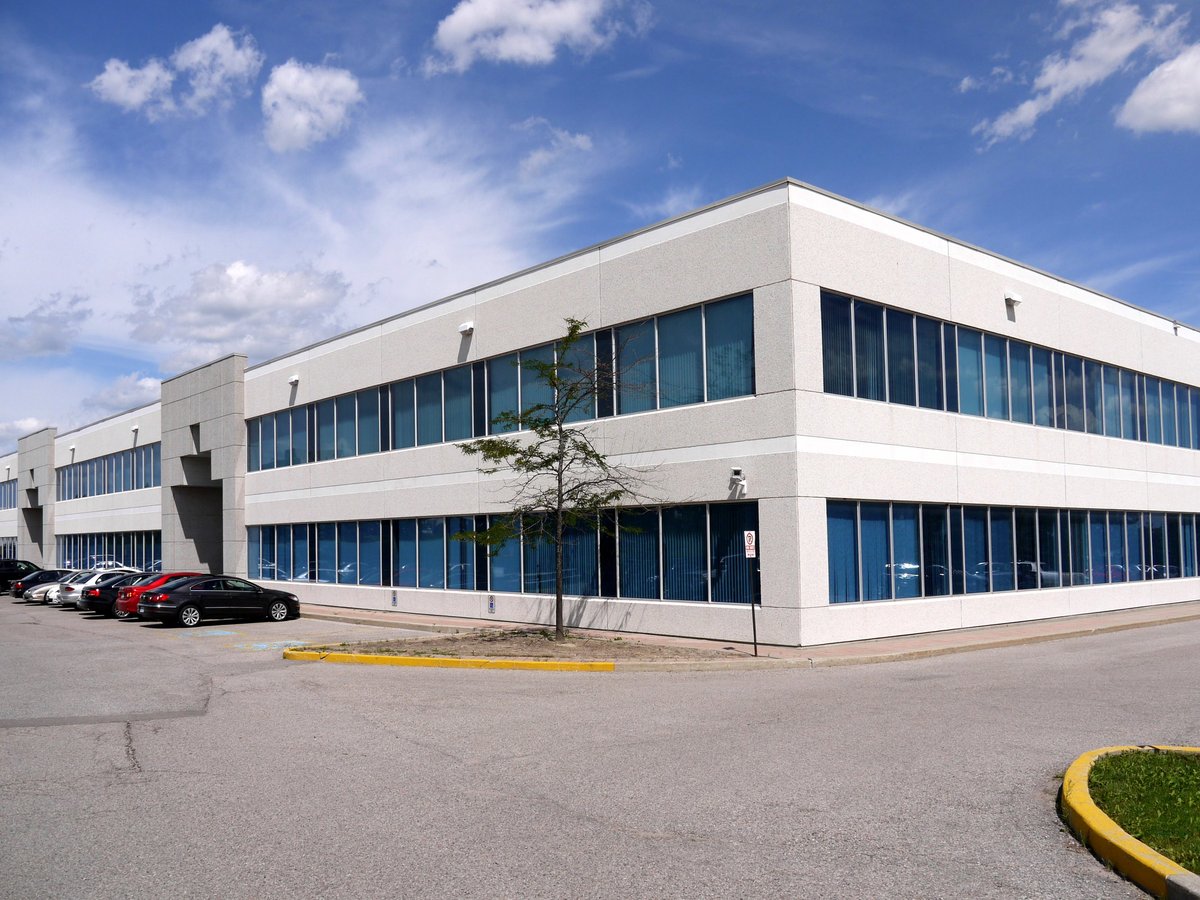
Office properties range from trophy Class A towers in central business districts to Class B and C buildings in suburban markets. Location, building quality, and tenant mix determine classification and investment characteristics. The sector has faced challenges from remote work trends but quality assets in prime locations remain valuable.
Key Characteristics
- Location-driven value proposition
- Class A: Premium finishes, amenity-rich
- Class B: Functional space, moderate pricing
- Class C: Value-add opportunities, lower income
- Professional tenant relationships
Considerations
- Remote work impacting occupancy in some markets
- High capital requirements for Class A assets
- Longer lease-up periods than multifamily
- Significant renovation costs for older buildings
Typical Returns (Unleveraged)
Ready to Explore
How to Invest?
Now that you understand the sectors, discover the six different ways to access commercial real estate investments.
Explore Investment Methods